IBC Grades
Understanding the quality grades of used IBC containers
Understanding IBC Grading Systems
The grading system for used IBC containers helps buyers understand the condition and suitability of containers for their specific applications. Grades range from A (like-new) to C (functional but showing wear), with reconditioned containers offering a middle ground.
Understanding these grades is essential for making cost-effective purchasing decisions. A Grade C container may be perfectly suitable for rainwater collection, while food storage requires Grade A or certified reconditioned units.
This guide explains each grade in detail, provides selection criteria for various applications, and helps you understand what to expect at each quality level.
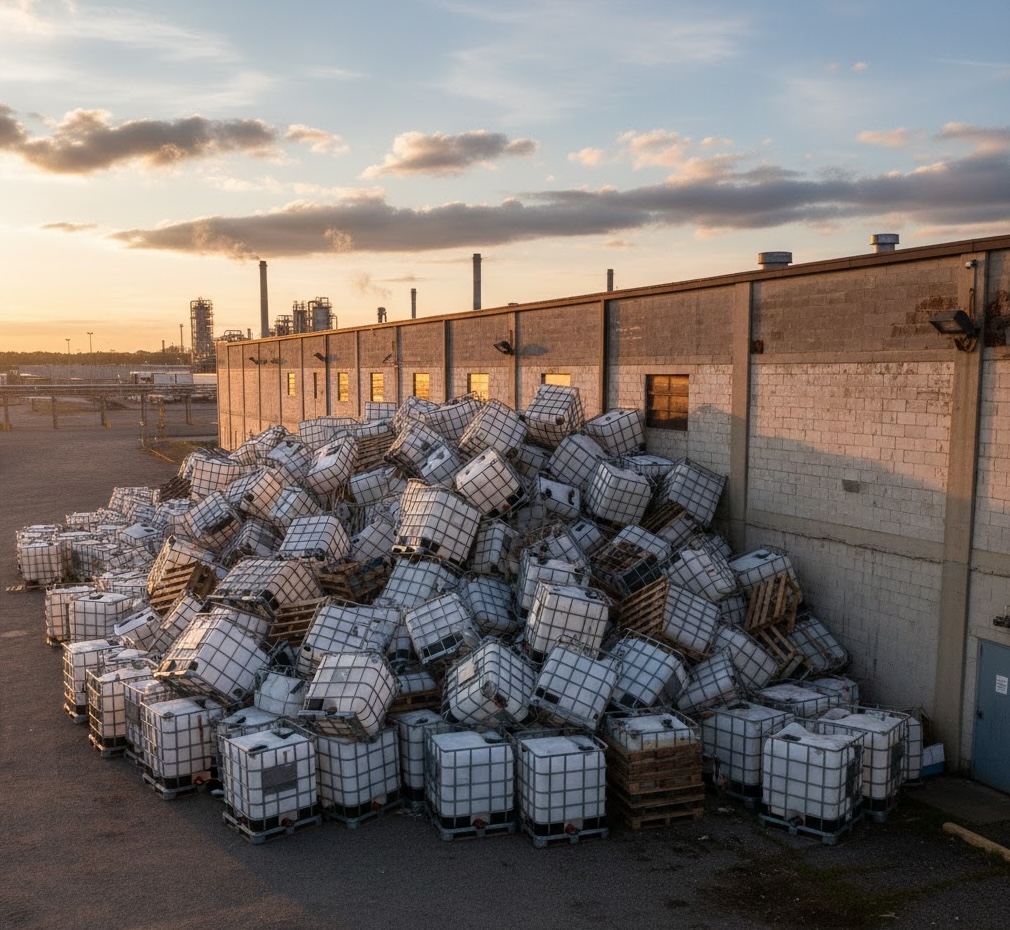
IBC Grade Classifications
Grade A
Like-New Condition
Premium quality containers with minimal signs of use. These IBCs look nearly new and are suitable for the most demanding applications including food, pharmaceutical, and high-purity chemical storage.
Criteria
- Clean interior with no staining or discoloration
- Minimal exterior scuffing (less than 5% surface area)
- All labels completely removable or already removed
- Valves in excellent condition with no leaks
- Cage straight with no visible dents or damage
Suitable For:
Food grade, pharmaceutical, cosmetic, high-purity chemical applications
Grade B
Good Condition
Quality used containers with some visible wear but fully functional. These IBCs offer excellent value for most industrial applications where appearance is less critical than performance.
Criteria
- Minor interior staining possible (removable)
- Moderate exterior scuffing (up to 20% surface area)
- Some labels may remain but container is clean
- Valves functional with possible cosmetic wear
- Minor cage dents acceptable (no sharp edges)
Suitable For:
General industrial, non-food chemicals, water storage, agricultural applications
Grade C
Functional Condition
Used containers suitable for non-critical applications. May show significant wear but remain structurally sound and leak-free. Ideal for cost-sensitive applications where appearance is not a concern.
Criteria
- Visible interior staining (may require cleaning)
- Significant exterior wear and scuffing
- Labels may be difficult to remove completely
- Valves functional but visibly worn
- Cage may have multiple dents (no structural damage)
Suitable For:
Rainwater collection, general storage, non-critical industrial use, waste collection
Reconditioned
Restored to Grade A/B
Previously lower-grade containers that have been professionally cleaned, repaired, and restored to meet higher grade specifications. Offers premium performance at reduced cost.
Criteria
- Professionally pressure-washed interior
- New valves and gaskets installed
- Cage repaired or straightened as needed
- All labels completely removed
- Pressure tested for leak integrity
Suitable For:
Applications requiring higher grade at lower cost, food-grade at reduced price
Price Comparison by Grade
| Grade | Price Range | Value Rating | Best For |
|---|---|---|---|
| New IBC | $200-400 | Baseline | When new is required |
| Grade A | $150-250 | Premium | Food/pharma applications |
| Reconditioned | $120-200 | Excellent | Quality at value |
| Grade B | $80-150 | Great | Most industrial use |
| Grade C | $40-80 | Maximum | Non-critical storage |
Prices are approximate and vary based on market conditions, quantity, and location.
Grade Selection Guide by Application
| Application | Recommended Grade |
|---|---|
| Food & Beverage Storage | Grade A or Reconditioned (food-grade certified) |
| Pharmaceutical/Cosmetic | Grade A only |
| Chemical Storage | Grade A or B (depending on chemical) |
| Water Collection/Storage | Grade B or C |
| Agricultural Use | Grade B or C |
| Industrial Waste Collection | Grade C |
| Fuel/Oil Storage | Grade A or B (compatible materials) |
How IBCs Are Graded
Initial Assessment
Containers are visually inspected upon arrival to assess overall condition and identify any obvious defects or contamination.
Contents Verification
Previous contents are verified through documentation and residual testing to ensure compatibility with intended future use.
Cleaning (if applicable)
Containers are cleaned according to grade requirements - from basic rinse to full food-grade triple wash protocols.
Component Inspection
Valves, gaskets, caps, cage, and pallet are individually inspected and replaced if necessary for the target grade.
Leak Testing
All containers undergo pressure or water fill testing to verify seal integrity and identify any leaks.
Final Grading
Based on all assessments, the container is assigned its final grade and marked accordingly.
Documentation
Grade assignment, test results, and any relevant certifications are documented for customer records.
IBC Inspection Checklist
Interior Bottle
- Staining level
- Surface integrity
- Odor assessment
- Residue presence
Exterior Bottle
- Surface damage
- UV degradation
- Label condition
- Discoloration
Cage Structure
- Dent severity
- Weld integrity
- Corrosion level
- Alignment
Pallet Base
- Crack inspection
- Load capacity
- Fork entry condition
- Stability
Valve Assembly
- Seal condition
- Thread integrity
- Operation smoothness
- Leak test
Fill Cap
- Gasket condition
- Thread wear
- Venting function
- Seal integrity
Visual Grade Comparison
Frequently Asked Questions
How do I know which grade is right for my application?
Consider your product requirements, regulatory needs, and budget. Food and pharmaceutical applications typically require Grade A or certified reconditioned containers. Most industrial chemical storage works well with Grade B. Non-critical storage and water collection can use Grade C for maximum value.
Can Grade B or C containers be used for food products?
Generally no. Food products require containers that meet FDA requirements, which typically means Grade A or specifically certified reconditioned containers. The previous contents history must be documented and acceptable for food contact applications.
What is the difference between reconditioned and simply cleaned containers?
Reconditioned containers undergo comprehensive restoration including professional cleaning, valve and gasket replacement, cage repair, pressure testing, and full documentation. Simple cleaning only addresses surface contamination without component replacement or certification.
How long will a Grade B or C container last compared to Grade A?
With proper care, all grades can provide years of additional service. The grade primarily reflects cosmetic condition and history, not structural life expectancy. A Grade C container with minor cosmetic issues but sound structure may outlast a Grade A container that is mishandled.
Can I upgrade a Grade C container to Grade A?
Through reconditioning, a structurally sound Grade C container can potentially be upgraded. However, some containers cannot achieve Grade A status due to permanent staining, material degradation, or unsuitable previous contents. Professional assessment determines upgrade potential.
What documentation comes with each grade?
Grade A containers include full history documentation when available. Reconditioned containers come with cleaning certificates, test results, and component replacement records. Grade B and C typically include basic inspection verification. Additional documentation can often be provided upon request.
Not Sure Which Grade You Need?
Our team can help you select the appropriate grade for your specific application and budget. We will ensure you get the right containers for your needs without overpaying.