Industry Standards
Regulatory requirements and certifications for IBC containers
Understanding IBC Regulations
IBC containers are subject to numerous regulations depending on their intended use. From UN certification for hazardous materials transport to FDA requirements for food contact, understanding these standards is essential for compliance and safety.
Regulatory compliance is not optional - it is a legal requirement that protects workers, the public, and the environment. Non-compliance can result in significant fines, liability, and operational disruptions.
This comprehensive guide covers all major regulatory frameworks affecting IBC containers, helping you understand your compliance obligations and make informed purchasing decisions.
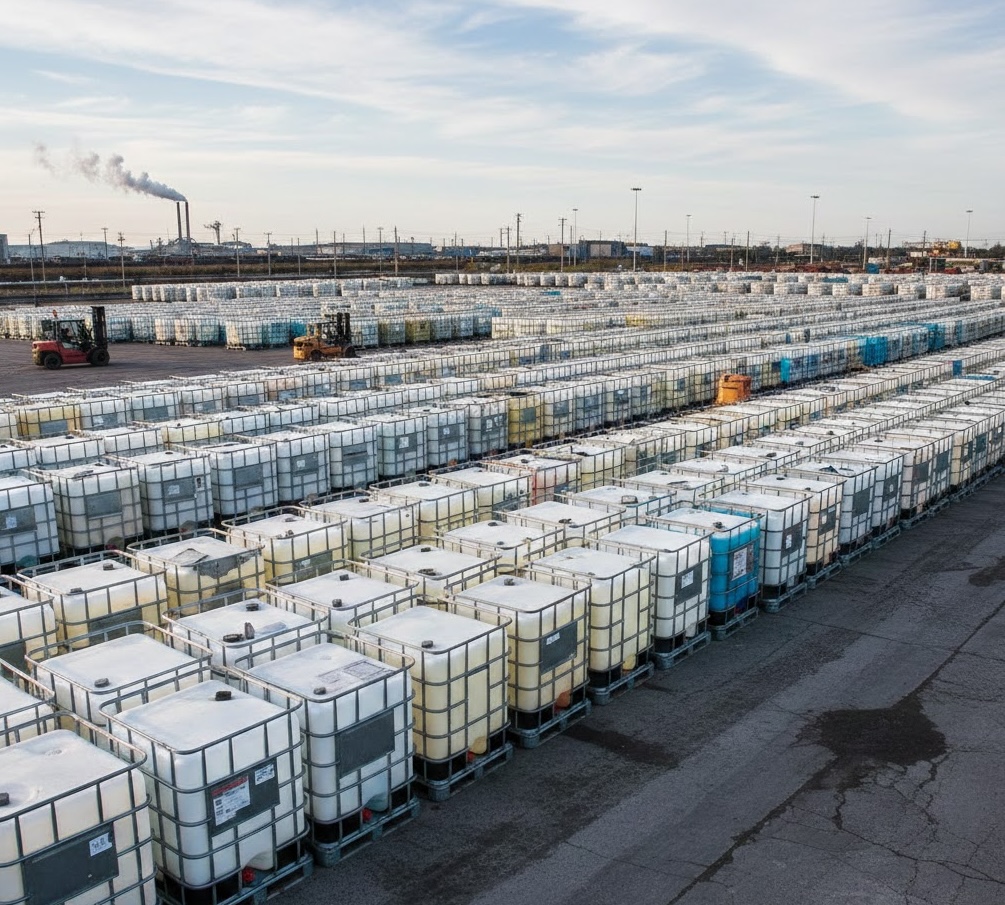
Regulatory Standards Overview
UN Certification
United Nations Packaging Standard
The UN certification system ensures IBCs meet international standards for the safe transport of hazardous materials. UN-certified containers display a marking code indicating their specifications and approved uses. This is the most widely recognized certification for international transport of dangerous goods.
UN Marking Example
Example: UN31HA1/Y/150/22/USA/ABCImportant Notes
- UN certification is required for transport of hazardous materials
- Certification must be revalidated every 2.5 years for composite IBCs
- IBCs may need recertification after repair or reconditioning
- Documentation of certification must be maintained
DOT Compliance
Department of Transportation (49 CFR)
DOT regulations govern the transportation of hazardous materials within the United States. IBCs used for hazmat transport must meet DOT specifications and be properly labeled. The regulations are found in Title 49 of the Code of Federal Regulations.
Key Requirements
- Valid UN certification for the specific hazard class
- Proper hazard labeling and placarding
- Shipping papers and documentation
- Periodic inspection and testing requirements
- Training requirements for handlers (49 CFR 172.704)
- Emergency response information availability
- Compatibility verification with contents
- Closure security requirements
Key Regulations
FDA Standards
Food and Drug Administration
FDA regulations apply to IBCs used for food, beverage, pharmaceutical, and cosmetic products. Materials must be food-grade and containers properly cleaned between uses. The key regulation is 21 CFR (Code of Federal Regulations).
Key Requirements
- Food-grade materials (FDA 21 CFR 177.1520 for HDPE)
- Proper cleaning protocols between uses
- No previous hazardous or incompatible contents
- Traceability documentation for containers
- Good Manufacturing Practices (GMP) compliance
- Allergen cross-contamination prevention
- Temperature control requirements where applicable
- Clean room or sanitary storage conditions
Compliance Regulations
ISO Standards
International Organization for Standardization
ISO standards ensure consistent quality and performance specifications for IBCs manufactured and used worldwide. These standards cover testing, dimensions, and quality management.
Key ISO Standards
OSHA Requirements
Occupational Safety and Health Administration
OSHA regulations ensure worker safety when handling IBCs containing hazardous materials. Requirements cover labeling, safety data sheets, personal protective equipment, and training.
Key Requirements
- Hazard Communication Standard (29 CFR 1910.1200)
- Safety Data Sheet (SDS) availability
- Container labeling requirements
- Personal Protective Equipment standards
- Spill containment and response procedures
- Employee training requirements
- Proper ventilation in storage areas
- Fire prevention and protection measures
Key Regulations
EPA Regulations
Environmental Protection Agency
EPA regulations govern the storage, handling, and disposal of hazardous materials in IBCs, as well as requirements for containers used in environmental applications.
Key Requirements
- RCRA (Resource Conservation and Recovery Act) compliance
- Spill Prevention, Control, and Countermeasure (SPCC)
- Container inspection requirements
- Secondary containment for certain materials
- Proper disposal procedures for containers
- Waste manifest documentation
- Storage time limitations for hazardous waste
- Labeling of hazardous waste containers
Key Regulations
UN Packing Groups Explained
Packing Group I
High danger - Most stringent requirements for highly hazardous materials
Examples:
Strong acids, highly toxic substances, powerful oxidizers
Test Requirements:
- -Hydraulic pressure test: 250 kPa (36 psi)
- -Drop test from 1.8m (5.9 ft)
- -Stacking test: 1.8x maximum gross mass
- -Vibration test for liquids
Packing Group II
Medium danger - Moderate requirements for moderately hazardous materials
Examples:
Most common chemicals, flammable liquids, corrosives
Test Requirements:
- -Hydraulic pressure test: 100 kPa (14.5 psi)
- -Drop test from 1.2m (3.9 ft)
- -Stacking test: 1.8x maximum gross mass
- -Bottom lift test
Packing Group III
Low danger - Standard requirements for low hazard materials
Examples:
Mild irritants, combustible liquids, weak oxidizers
Test Requirements:
- -Hydraulic pressure test: 100 kPa (14.5 psi)
- -Drop test from 0.8m (2.6 ft)
- -Stacking test: 1.8x maximum gross mass
- -Basic integrity verification
IBC Type Codes
| Code | Description |
|---|---|
| 11 | Rigid metal IBC (11A - aluminum, 11B - steel, 11N - other metal) |
| 21 | Rigid plastic IBC (21H - plastic, 21HH - plastic with structural equipment) |
| 31 | Composite IBC with rigid inner receptacle (31H - plastic inner, 31HA1/31HB1 etc.) |
| 13 | Flexible IBC (13H - plastic woven, 13L - textile, 13M - paper) |
IBC Testing Requirements
Hydraulic Pressure Test
Verify structural integrity under internal pressure
Drop Test
Ensure IBC survives handling impacts
Stacking Test
Verify IBC can support stacked loads
Leakproofness Test
Confirm no leaks from closures or body
Bottom Lift Test
Ensure base can support lifting forces
Compliance Checklist
Documentation
- UN marking legible
- Manufacturing date visible
- Packing group appropriate
- Previous contents documented
Physical Condition
- No cracks or holes
- Cage intact and aligned
- Pallet undamaged
- Valve functional
Certification
- Within certification period
- Inspection records current
- Repair documentation (if applicable)
- Test results available
Labeling
- Hazard labels correct
- UN number displayed
- Proper shipping name
- Emergency contact info
Frequently Asked Questions
What does the UN marking on an IBC mean?
The UN marking is a coded label that indicates the IBC has been tested and certified to meet international transport standards. It includes information about the container type, material, packing group rating, maximum gross weight, year of manufacture, country, and manufacturer.
How often must UN-certified IBCs be inspected?
Composite IBCs (plastic bottle in metal cage) must be inspected and tested every 2.5 years to maintain UN certification. Metal IBCs require inspection every 5 years. Records of all inspections must be maintained.
Can a used IBC be used for hazmat transport?
Yes, if it meets specific requirements: valid UN certification (within testing period), compatible with intended contents, no damage affecting safety, proper cleaning if previous contents were different, and appropriate documentation.
What is required for food-grade IBC compliance?
Food-grade compliance requires: FDA-approved materials (21 CFR 177.1520 for HDPE), no previous non-food contents, proper cleaning protocols, temperature control if needed, GMP compliance, and full traceability documentation.
What is the difference between Packing Groups X, Y, and Z?
X-rated IBCs can hold the most dangerous materials (Packing Group I). Y-rated handle medium-danger materials (Packing Group II). Z-rated are for lower-hazard materials (Packing Group III). An X-rated IBC can hold materials for Groups I, II, and III; Y-rated for Groups II and III.
Are there special requirements for pharmaceutical IBCs?
Yes, pharmaceutical IBCs must meet FDA cGMP requirements (21 CFR 211), including validated cleaning procedures, material traceability, controlled storage conditions, documentation of all handling, and often dedicated use for specific products.
What happens if an IBC fails inspection?
Failed IBCs cannot be used for hazmat transport until repaired and recertified. Depending on the damage, options include: repair by authorized facility with recertification, downgrade to non-hazmat use, or proper disposal/recycling.
Do I need special training to handle hazmat IBCs?
Yes, DOT requires hazmat training (49 CFR 172.704) for anyone who handles, packages, or transports hazardous materials. Training must cover hazard recognition, specific functions, safety, and security awareness, with refresher training every 3 years.
Need Certified Containers?
We can supply UN-certified and food-grade containers to meet your compliance requirements. Our team understands regulatory requirements and can help ensure you get properly certified IBCs.