Inspection & Testing
Comprehensive quality assurance for your containers - UN certification, safety testing, and compliance documentation
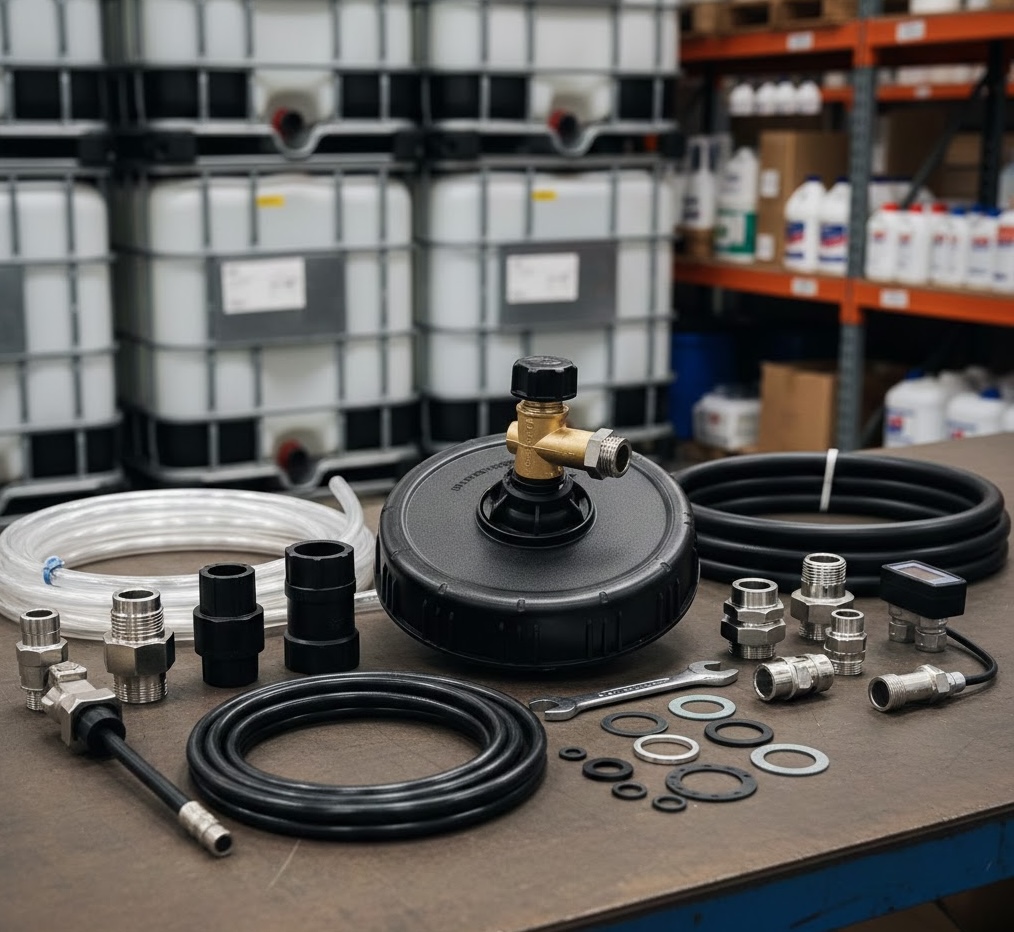
UN certification, hydrostatic testing, and FDA compliance verification
Schedule Inspection Services
Tell us about your testing requirements and receive a detailed quote.
Professional IBC Testing
Seattle IBC provides comprehensive inspection and testing services to verify container integrity, safety, and regulatory compliance. Our testing facility is equipped with calibrated instruments and our procedures follow industry standards and regulatory requirements.
Whether you need visual grading for resale, leak verification for industrial use, UN certification renewal for hazmat transport, or food-grade certification for FDA compliance, our experienced technicians deliver accurate, documented results you can rely on.
All testing services include detailed documentation suitable for regulatory audits, quality management systems, and customer verification. We maintain testing records and can provide duplicate certificates when needed.
Testing Capabilities
Inspection Services
Choose the testing level that matches your requirements. All services include documentation and certification.
Visual Inspection
From $15/unitTurnaround: Same day
Comprehensive visual assessment of container condition. Essential for determining grade, identifying damage, and verifying fitness for use.
Includes:
- HDPE bottle integrity and clarity
- Cage condition and structural soundness
- Valve operation and seal condition
- Pallet stability and damage
- Label compliance and readability
- Overall cleanliness assessment
Leak Testing
From $25/unitTurnaround: 1-2 days
Pressure testing to verify container seal integrity. Identifies leaks in valves, caps, seams, and bottle walls that visual inspection might miss.
Includes:
- Valve seal integrity
- Cap and gasket seal
- Weld points and seams
- Bottom discharge connection
- Fill port seal
- Bottle wall integrity
Hydrostatic Testing
From $50/unitTurnaround: 3-5 days
Full pressure testing for UN certification renewal or verification. Required for transportation of hazardous materials under DOT regulations.
Includes:
- Pressure capacity verification
- Structural integrity under load
- Safety margin confirmation
- UN specification compliance
- DOT transport eligibility
- Maximum fill capacity
Food Grade Certification
From $40/unitTurnaround: 2-3 days
Testing and documentation for food contact applications. Verifies containers meet FDA requirements for food, beverage, and pharmaceutical use.
Includes:
- Residue testing and analysis
- Contamination screening
- Material composition verification
- Cleaning effectiveness verification
- Odor-free confirmation
- FDA compliance check
Testing Process
A systematic approach ensuring accurate, documented results for every container.
Intake Documentation
Each container is logged with serial numbers, previous use information, and requested testing services. We maintain complete chain of custody records.
Visual Pre-Screening
Initial visual inspection identifies obvious issues and determines if the container is suitable for the requested testing. Severely damaged containers may not be testable.
Testing Procedure
Appropriate tests are conducted following standardized procedures. Hydrostatic tests follow UN specifications, food-grade tests follow FDA protocols.
Results Analysis
Test results are analyzed against relevant standards. Containers either pass, fail, or require conditional approval with noted limitations.
Documentation
Certificates and reports are prepared with test results, dates, inspector credentials, and any relevant compliance information.
Marking & Release
Passing containers are marked with appropriate stamps or labels. All documentation is provided, and containers are released for pickup or delivery.
Why Testing Matters
Proper inspection and testing protects your business, ensures compliance, and prevents costly problems.
Safety
Testing ensures containers can safely hold and transport materials without risk of failure, leakage, or contamination. This protects workers, facilities, and the environment.
Regulatory Compliance
DOT regulations require UN-certified containers for hazardous material transport. FDA regulations require verified clean containers for food contact. Testing provides documentation for compliance.
Cost Prevention
Identifying container issues before they cause problems prevents costly spills, product contamination, cleanup expenses, and potential liability claims.
Quality Assurance
For businesses reselling or reusing containers, testing provides documented quality verification that protects your reputation and satisfies customer requirements.
Documentation
Proper testing creates audit trails for quality management systems, insurance requirements, and regulatory inspections. Records demonstrate due diligence.
Liability Protection
Testing and certification documentation provides legal protection by demonstrating that containers were verified fit for their intended use before deployment.
Testing Pricing
Volume discounts available for larger quantities. All prices include documentation.
| Service | Single | 10+ Units | 25+ Units | 50+ Units | Turnaround |
|---|---|---|---|---|---|
| Visual Inspection | $15 | $12 | $10 | $8 | Same day |
| Leak Testing | $25 | $22 | $20 | $18 | 1-2 days |
| Hydrostatic Testing | $50 | $45 | $40 | $35 | 3-5 days |
| Food Grade Certification | $40 | $35 | $32 | $28 | 2-3 days |
| Complete Package (All Tests) | $100 | $90 | $80 | $70 | 5-7 days |
Rush service available for additional fee. Contact us for expedited testing needs.
Service Areas
Testing services available at our Seattle facility. Pickup and delivery service available throughout the region.
Frequently Asked Questions
Common questions about our inspection and testing services.
What is UN certification and when is it required?
UN certification indicates that a container meets United Nations standards for transporting dangerous goods. IBCs used for hazardous materials must be UN certified and within their certification period (typically 5 years from manufacture, renewable through hydrostatic testing). Our hydrostatic testing service can renew UN certification for containers that pass.
How often should IBCs be inspected?
For general industrial use, we recommend visual inspection before each new use cycle. For hazardous materials, DOT regulations require inspection before each use and formal testing every 2.5 years. Food-grade containers should be inspected and verified clean before each use. High-value or critical applications may warrant more frequent testing.
What happens if my container fails inspection?
If a container fails inspection or testing, we provide a detailed report explaining the failure reason. Depending on the issue, we may recommend cleaning, reconditioning, or recycling. Minor issues like valve leaks can often be repaired. Structural failures typically require recycling. We never charge for testing containers that we subsequently recycle.
Can you test containers at my location?
Visual inspections can be performed on-site for large quantities (100+ units). However, leak testing and hydrostatic testing require specialized equipment at our facility. We offer pickup and delivery services to minimize inconvenience. For ongoing inspection needs, we can establish scheduled pickup routes.
How long is food-grade certification valid?
Food-grade certification applies to a specific point in time - it verifies the container is clean and suitable for food contact at the time of testing. Unlike UN certification, it does not have a fixed validity period. Once a container is used, it should be recleaned and recertified before food contact use. We recommend testing before each food-grade use cycle.
Do you provide certificates recognized by regulators?
Yes, our testing procedures and certificates are designed to meet regulatory requirements. Hydrostatic testing follows UN specifications and DOT requirements. Food-grade testing follows FDA guidelines. Our certificates include all information required for compliance documentation and are accepted by inspectors and auditors.
What is the difference between leak testing and hydrostatic testing?
Leak testing uses low pressure (typically 3-5 psi) to identify seal failures and minor defects. It is relatively quick and suitable for general quality verification. Hydrostatic testing uses higher pressure (as specified by UN regulations) to verify structural integrity and is required for UN certification renewal. Hydrostatic testing is more comprehensive but also more time-intensive.
Need Container Testing?
Contact us to schedule inspection and testing services for your IBC containers. Same-day visual inspections available.